
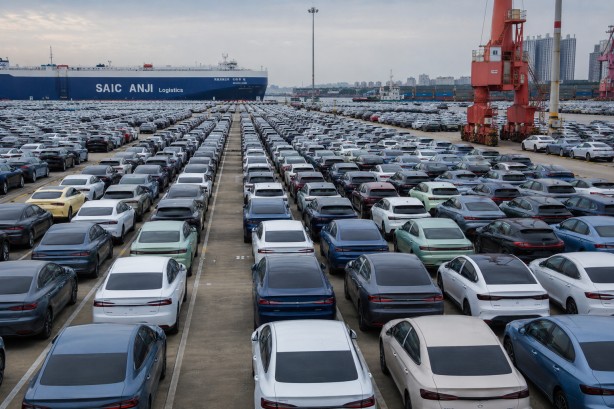
China has established itself as a dominant force in the electric vehicle market, becoming the world’s largest in this sector. This rapid ascent has spurred the growth of major automotive companies and brought significant changes to the global auto industry. However, China’s aggressive push forward has also raised alarms about potential overproduction and the growing intensity of market competition.
In the past ten years, government incentives, significant local investment, and robust consumer interest have driven a remarkable expansion in China’s electric vehicle industry. This support has paved the way for the emergence of some of the country’s most successful automakers and solidified China’s leadership in battery technology and clean transportation initiatives. Yet, the speed of this expansion has, in some instances, surpassed actual market demand.
With factories capable of producing more vehicles than the current market can absorb, automakers are engaged in price wars that add financial strain across the sector. As competition intensifies, manufacturers are slashing prices to attract consumers and capture market share, a trend that has placed smaller companies at a disadvantage while prompting larger firms to invest considerably in technology, production, and international expansion.
Chinese authorities have recently expressed concerns about the risks associated with overcapacity, cautioning that unchecked growth could pose economic challenges. Industry experts suggest the key issue now is how to balance innovation and competition with sustainable and long-term development goals.
Despite these challenges, China maintains its position as a global leader in the electric vehicle realm. Chinese manufacturers are not only expanding their reach into international markets but also playing a pivotal role in shaping the future of transportation worldwide.