
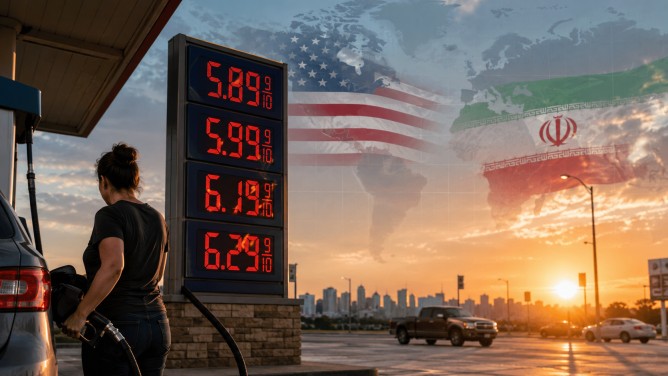
Amid stalled diplomatic negotiations between the United States and Iran, gasoline prices in the U.S. have surged to unprecedented levels for August, exacerbating concerns over global energy supplies due to continuing tensions around the strategic Strait of Hormuz. The national average for gasoline has climbed to $4.06 per gallon, marking an increase of about 5 cents from the previous week and roughly $1 more than the same time last year. In states like California and Hawaii, consumers are facing even steeper prices, with averages soaring to approximately $5.50 per gallon.
This surge in fuel costs follows the sustained elevation of oil prices triggered by the ongoing US-Israel conflict involving Iran, particularly after disruptions in the Strait of Hormuz—a critical channel for international oil shipments. Although Brent crude oil prices once peaked at $112 a barrel before a slight decline, they continue to be significantly higher compared to the previous year. An earlier dip in gasoline prices was observed when temporary accords momentarily eased tensions between the U.S. and Iran. However, with negotiations now at an impasse and fears of an extended conflict mounting, prices have begun to rise again.
The recent increase in gasoline prices coincides with the two nations’ failure to finalize a pact concerning Iran’s nuclear program within a designated 60-day diplomatic period. Compounding the situation, former President Donald Trump has issued new threats towards Oman, heightening worries of further regional escalation.
For American households, already facing high living costs, the rise in fuel prices adds another layer of financial strain. Reports suggest that over the past six months, Americans have spent billions more on gasoline than they would have in the absence of the conflict. If energy costs persist at these elevated levels, the risk of renewed inflationary pressures looms, potentially impacting the broader economy.