
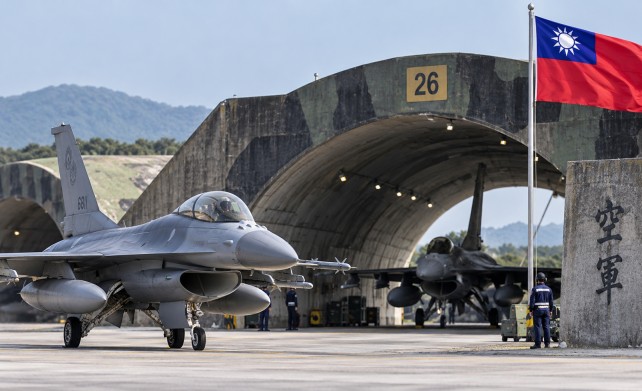
Taiwan is taking significant steps to bolster its air force capabilities, with plans to construct 26 additional hardened aircraft shelters in anticipation of an expanded fleet of F-16V fighter jets. This initiative comes as the island expects to house 110 to 120 F-16Vs along its east coast, bolstered by the delivery of 66 new F-16V Block 70 jets from the United States. Chihhang Air Base in Taitung County will host the new arrivals, complementing the existing F-16V Block 20s stationed in Hualien County.
To safeguard this growing fleet, the Taiwanese air force has earmarked over NT$6.88 billion for the construction of new shelters at Hualien and Taitung, with completion targeted between 2027 and 2031. The strategic plan includes erecting 22 shelters in Hualien and an additional four in Taitung. Furthermore, Hualien will see the development of five general aircraft hangars and associated support facilities to accommodate transport aircraft.
The construction timeline is meticulously planned, with project management, surveying, and design work slated to begin in 2027, followed by the detailed design and contracting phases in 2028 and 2029. Actual construction is expected to commence in 2030, with a completion date set for the following year. These shelters are designed to implement a “one aircraft, one shelter” strategy, enhancing the survivability of Taiwan’s fighter jets during potential military conflicts. Positioning the aircraft in fortified shelters at Hualien and Taitung aims to preserve combat readiness and ensure the continuation of interception, suppression, and homeland defense operations in the face of sudden attacks.
In parallel with these infrastructure developments, President William Lai has called on military leaders to swiftly adapt to the evolving technological and global security landscapes. He underscored the necessity of strengthening joint operations, enhancing asymmetric warfare capabilities, and planning for future defense scenarios, with artificial intelligence playing a crucial role as a supportive tool. Lai further emphasized the need for ongoing military readiness and continued investments in national defense, asserting that robust defense capabilities are critical for maintaining peace and safeguarding Taiwan’s sovereignty.